
In the United States, the RISC-V Router ships without Wi-Fi.

RISC-V Router (no WiFi)

Every device in your home reaches the world through one box. The RISC-V Router makes that box answer to you: open software, a network for every kind of device, and private tunnels in and out.

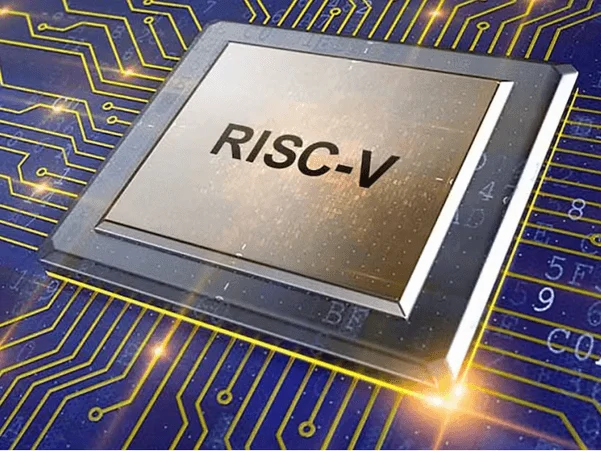
The open RISC-V instruction set
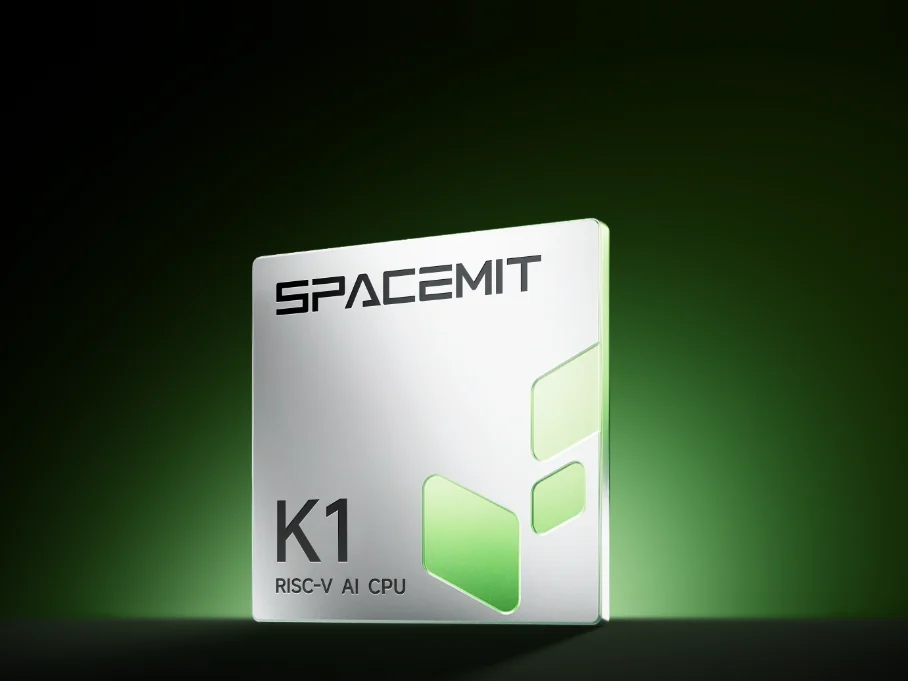
SpacemiT K1 with eight 64-bit RISC-V cores
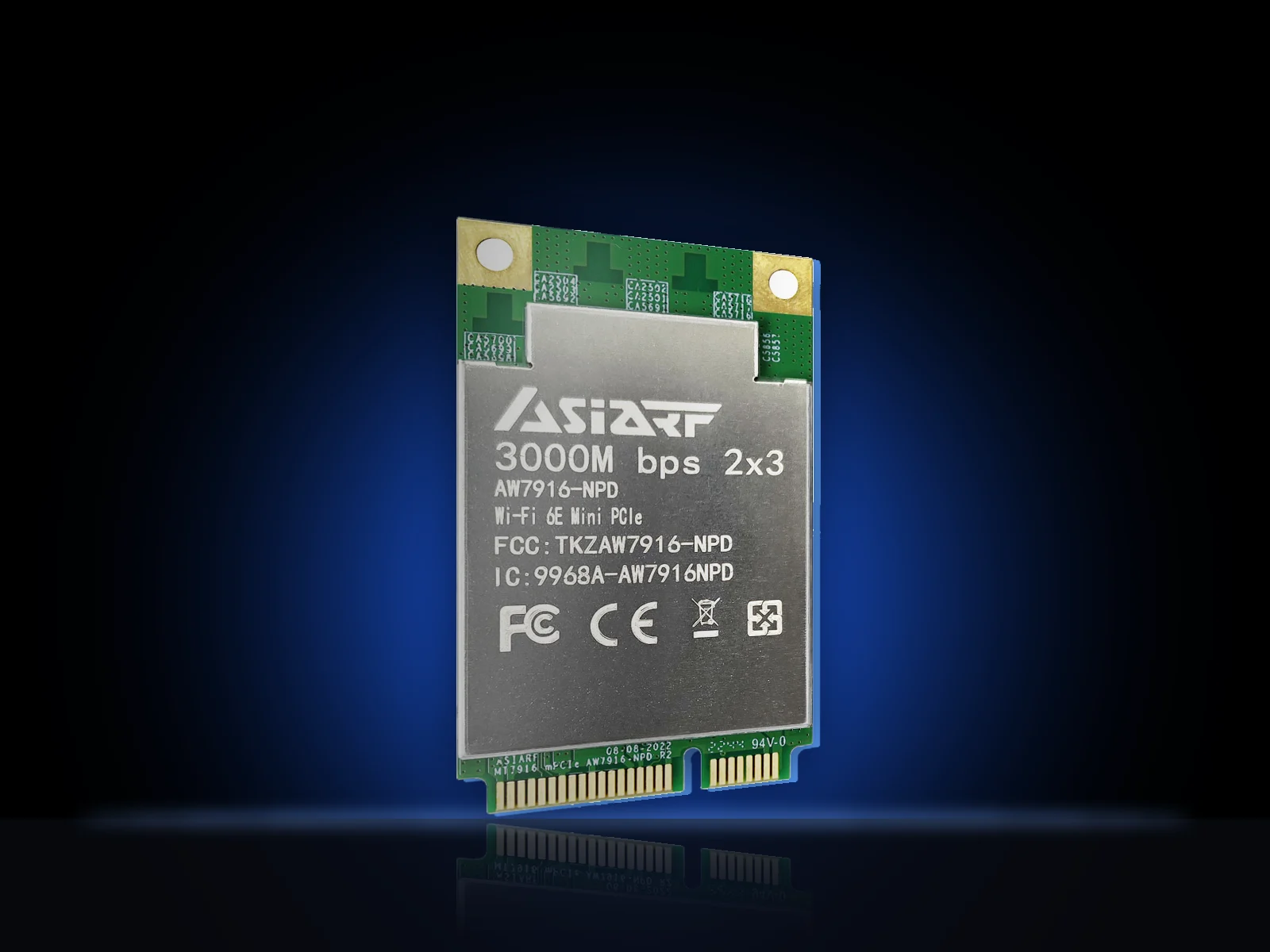
Wi-Fi 6E on a module you can replace

The gatekeeper of your home

Every message, every stream and every smart device's chatter passes through your router. It decides what each device can reach and what the outside world can see, and too often that decision is made by software you cannot read, from a vendor you cannot question. The RISC-V Router puts that decision in your hands, device by device.

  • Privacy

    Route any profile through a VPN provider, or through two in sequence so that no single provider sees both who you are and where you go. Your ISP sees an encrypted tunnel. Each profile can resolve names through DNS servers of its own, over HTTPS.

  • Censorship resistance

    Send a profile through VPNs in other jurisdictions and choose the DNS servers it trusts. Filtering that depends on reading your traffic or answering your lookups stops at your door.

  • Security

    Profiles are separated at the network layer: the thermostat cannot see the laptop, and a guest cannot see either. No device opens a port to the internet unless you allow it.

  • Open to the core

    As open as a router can be built today: a RISC-V processor, an open boot stack, and StartWRT, MIT licensed like everything Start9 ships. There is no account to create, no cloud to depend on, and every setting lives in a standard OpenWrt file you can read yourself.

Start9

Powered by StartWRT

A network this capable once demanded a command line and years of practice. StartWRT, Start9's free, open-source fork of OpenWrt, makes it a matter of choosing from a menu, all from your browser.

Explore StartWRT

Open source: what is and isn't

We are open-source maximalists. Everything Start9 ships is MIT licensed, and every part of this router that can be open today is. Here is all of it, including the two parts that aren't yet.

Open source

  • The RISC-V instruction set
  • The SpacemiT K1 reference schematic the board descends from, published in the documentation
  • The boot stack: OpenSBI and U-Boot
  • The Linux kernel and the Wi-Fi driver (mt76)
  • The operating system, StartWRT, under the MIT license
Not open source

  • The Wi-Fi radio firmware. No Wi-Fi 5 or Wi-Fi 6 module from any manufacturer ships open firmware. The radio is a removable module, and the router runs without it.
  • Two early-boot binaries, DRAM initialization and the first-stage bootloader, that run once at power-on. We are working to replace them with open source.
Included

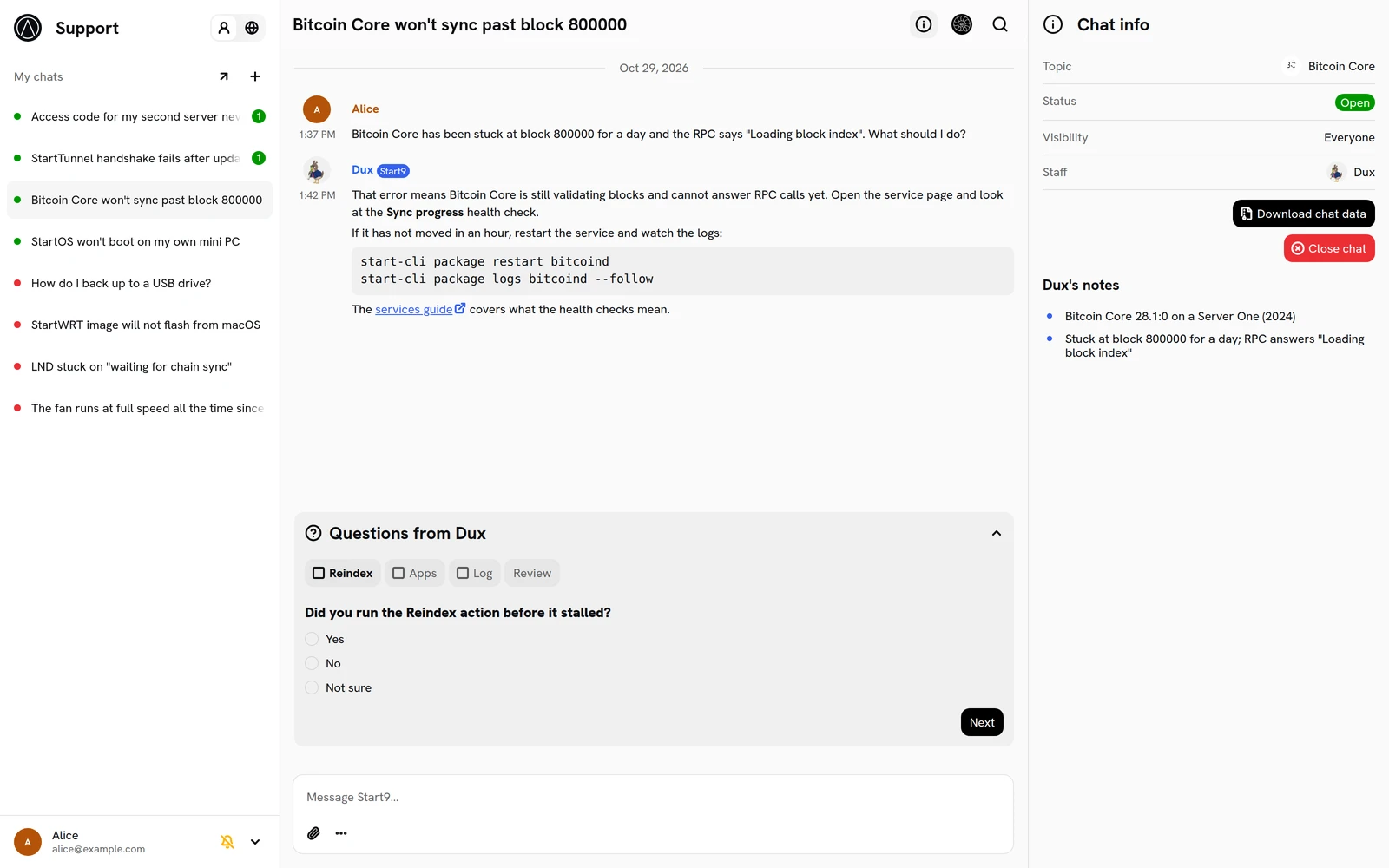
A year of Premium Support

Every RISC-V Router comes with a year of help from the Start9 team, the people who build its software. A $200 subscription, at no additional cost.

A private support portal Ask in any topic, from your computer or your phone.
Dux Start9's AI support technician, available at any hour and working from the documentation for every version of every service.
The Start9 team The people who build StartOS, StartWRT and the services join the same chat.

Specs

Eight RISC-V cores, and a slot for the Wi-Fi radio you add.

Processor
SpacemiT K1, 8-core 64-bit RISC-V
Memory
4 GB LPDDR4
Storage
16 GB eMMC
Ethernet
1× gigabit WAN, 1× gigabit LAN, plus a TP-Link 4-port switch in the box
Wi-Fi
No Wi-Fi radio; the Wi-Fi module and antennas are sold separately. View the kit or the installation guide
Ports
2× USB 3.0 Type-A, 1× USB-C (USB 2.0), 1× microSD slot
Dimensions
6¼″ × 4⅛″ × 1⅞″ (15.9 × 10.5 × 4.8 cm)
Operating system
StartWRT (preinstalled)
Warranty
1-year limited hardware warranty